How Professional Zoho Developers Help Businesses Improve Operational Efficiency

Managing daily business operations efficiently is essential for organisations that want to improve productivity and achieve consistent growth. As businesses expand, handling customer information, sales activities, employee responsibilities, and internal processes can become increasingly complicated. When different departments rely on separate systems or manual procedures, communication gaps and unnecessary delays may affect overall performance.
Digital business applications help organisations organise these activities and reduce repetitive work. Zoho offers a range of applications designed to support customer relationship management, sales, marketing, finance, project management, and other business functions. However, using these applications effectively requires proper configuration and an understanding of business requirements. Professional Zoho developers help companies customise these solutions, automate workflows, and connect different systems to create a more organised working environment.
By implementing suitable Zoho solutions, businesses can improve information management, simplify daily responsibilities, and make better use of available resources.
Understanding the Role of Zoho Developers in Business Operations
Zoho developers help organisations configure and customise software applications according to their operational requirements. Their work involves understanding existing business processes and identifying opportunities where technology can improve efficiency.
Every organisation has different working methods. A sales company may require a structured lead management system, while a service provider may need customised processes for handling customer requests and tracking ongoing work. Standard software configurations may not always support these requirements completely.
Professional developers can customise Zoho applications by creating additional fields, configuring modules, developing custom functions, and establishing automated workflows. These improvements help businesses use software in a way that matches their actual operations.
Their involvement also helps organisations avoid unnecessary software complexity by focusing on features that provide practical value.
Simplifying Customer Management with Zoho CRM
Customer information is an important business resource. Companies need to maintain accurate contact details, understand customer requirements, track enquiries, and manage communication throughout the sales process.
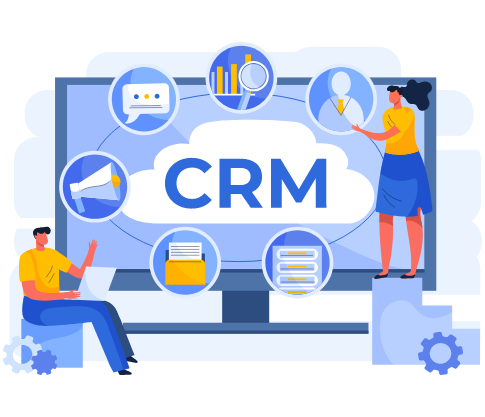
Zoho CRM provides a centralised platform for managing customer records and sales activities. Employees can access contact information, review previous interactions, monitor potential opportunities, and organise follow-up activities.
Professional developers can customise CRM according to the company's sales structure. They can create specific fields, configure sales pipelines, and organise customer information into suitable categories.
For example, a business receiving enquiries from different sources may want to track website leads separately from telephone enquiries. A customised CRM setup can help employees identify lead sources and manage enquiries more effectively.
This organised approach improves customer information management and helps sales teams maintain consistent communication.
Automating Repetitive Tasks to Improve Productivity
Many employees spend a considerable amount of time performing routine administrative activities. Updating records, assigning tasks, sending notifications, and scheduling follow-ups are common responsibilities that can become time-consuming when managed manually.
Zoho provides workflow automation features that help businesses reduce repetitive work. Developers can configure automation rules based on specific conditions and business requirements.
For example, when a new customer enquiry enters the CRM, the system can automatically assign it to the appropriate sales representative. It can also generate notifications and reminders to ensure that important follow-ups are not overlooked.
Automation can also support approval processes and internal task management. These features help employees follow consistent procedures while reducing unnecessary manual involvement.
As a result, teams can dedicate more time to customer service, sales activities, and other responsibilities that contribute directly to business growth.
Connecting Different Business Applications
Businesses often use multiple applications to manage their daily activities. Customer information may be stored in CRM software, financial details in accounting applications, and marketing activities in separate platforms.
When these applications operate independently, employees may need to enter the same information multiple times. This can increase workload and create inconsistencies between business records.
Zoho offers several applications that can work together to support connected business processes. Professional developers can configure suitable integrations between applications so that relevant information can move between different systems.
For example, integrating CRM with accounting software can help businesses coordinate customer and financial information. Similarly, connecting CRM with marketing applications can support better management of campaign enquiries and customer engagement.
Proper integration reduces unnecessary data entry and improves coordination between departments.
Customising Zoho Applications for Specific Requirements
Every business follows different procedures, and standard software features may not always match those processes. Some organisations require additional information fields, custom modules, specialised reports, or unique approval workflows.
Zoho customisation allows businesses to adapt applications according to their requirements. Developers can create custom modules to organise specific types of information and introduce fields that capture important business details.
For instance, a service-based organisation may need to manage service categories, customer requests, assigned employees, and completion dates. Customised modules can bring these details together in a structured format.
Developers can also configure custom functions to perform specific actions that go beyond standard application settings.
These improvements make software more relevant to daily operations and help employees manage their responsibilities with greater clarity.
Improving Sales Management and Lead Tracking
Sales performance depends on proper lead management, timely communication, and clear visibility into ongoing opportunities. Without an organised system, sales representatives may find it difficult to monitor enquiries and understand which opportunities require attention.
Zoho CRM helps businesses manage leads throughout different stages of the sales process. Employees can record enquiry details, update lead status, schedule follow-ups, and monitor potential deals.
Professional developers can configure sales pipelines according to the company's working methods. They can also establish lead assignment rules and notifications to improve coordination between team members.
Managers can review sales activities and identify opportunities that may require additional attention. This supports better planning and helps businesses maintain a more organised sales process.
Supporting Better Reporting and Business Decisions
Accurate business information is essential for making informed decisions. Managers need to understand sales performance, customer activity, employee productivity, and operational progress before planning improvements.
Zoho reporting and dashboard features help organisations present important business information in an organised format. Reports can be configured to display details according to specific management requirements.
For example, a sales manager may want to review monthly sales figures, lead conversion activities, pending opportunities, and employee performance. Custom reports can make these details easier to access and understand.
Professional developers can configure dashboards and reporting structures that highlight relevant performance indicators.
Having organised information available through a centralised system helps management identify operational challenges and make decisions based on business data.
Managing Business Information More Effectively
Accurate information plays an important role in maintaining efficient business operations. Duplicate records, incomplete customer details, and outdated information can create confusion and affect communication.
Zoho developers can help organisations establish better data management processes through suitable field configurations, validation rules, and structured record management.
They can also assist with data migration when a business moves from spreadsheets or another CRM platform to Zoho applications. Proper planning helps transfer relevant information into the new system while maintaining its organisation.
Well-managed information allows employees to find important details more easily and reduces the chances of errors caused by inconsistent data entry.
Helping Businesses Adapt to Future Growth
Business requirements change as organisations expand. More customers, additional employees, and increasing operational activities may create a need for improved software capabilities.
Zoho applications offer flexibility that allows companies to introduce additional features as their requirements develop. Businesses can add modules, update workflows, connect new applications, and improve reporting processes over time.
Professional developers can plan the software structure with future requirements in mind. This helps organisations build systems that can adapt to changing business needs without requiring unnecessary changes to the entire setup.
Scalable software solutions also support better coordination as companies introduce new departments or expand their services.
Choosing the Right Zoho Development Partner
Selecting a suitable development partner is important for achieving the expected results from Zoho applications. Businesses should evaluate technical knowledge, customisation experience, integration capabilities, and understanding of different business processes.
A reliable developer should begin by understanding the organisation's requirements before recommending a solution. This ensures that the proposed configuration addresses actual operational challenges.
Businesses should also consider the following factors:
Experience with Zoho CRM and other Zoho applications
Knowledge of workflow automation and custom functions
Understanding of application integration
Data migration and management capabilities
Testing and implementation procedures
Employee training and ongoing technical support
Clear communication throughout the development process also helps ensure that the final solution meets business expectations.
Conclusion
Operational efficiency depends on organised information, effective communication, accurate reporting, and well-defined business processes. Managing these activities manually can become increasingly difficult as organisations grow. Zoho applications provide useful tools for simplifying customer management, automating repetitive tasks, connecting business systems, and improving daily operations.
Professional Zoho developers help businesses make better use of these applications through customisation, integration, and workflow automation. Their technical expertise allows organisations to develop software solutions that match their working methods and changing requirements.
By implementing suitable Zoho solutions, businesses can reduce unnecessary manual work, improve employee productivity, and establish more organised operations. A well-planned development approach also provides a foundation for sustainable business growth and better management of everyday activities. Read More : https://yellowmonkey7.livejournal.com/448.html


Comments
Post a Comment